Concrete Slabs That Stay Level
Slab Foundation Repair in Bonham for properties with cracked walls, uneven floors, or windows that no longer operate smoothly
Concrete slab foundations settle when the soil beneath them consolidates unevenly—one section of the house drops while another remains stable, creating the floor slopes and wall cracks homeowners notice first. A+ Prolift Foundation Repair stabilizes slab foundations in Bonham using pressed concrete piers or steel pier systems, selected based on soil conditions and the load-bearing depth required to reach stable strata. You see the problem when interior doors suddenly drag across thresholds, tile floors crack along grout lines, or gaps open between baseboards and flooring.
Slab stabilization involves installing piers at strategic locations beneath the foundation perimeter and interior grade beams, then lifting the settled sections incrementally to restore level planes. The repair addresses the consequence of soil movement—whether clay expansion during wet seasons pushed the slab upward or contraction during drought pulled support away from the underside.
Request a professional slab foundation evaluation to identify settlement patterns before additional structural stress develops.
What Proper Slab Repair Requires
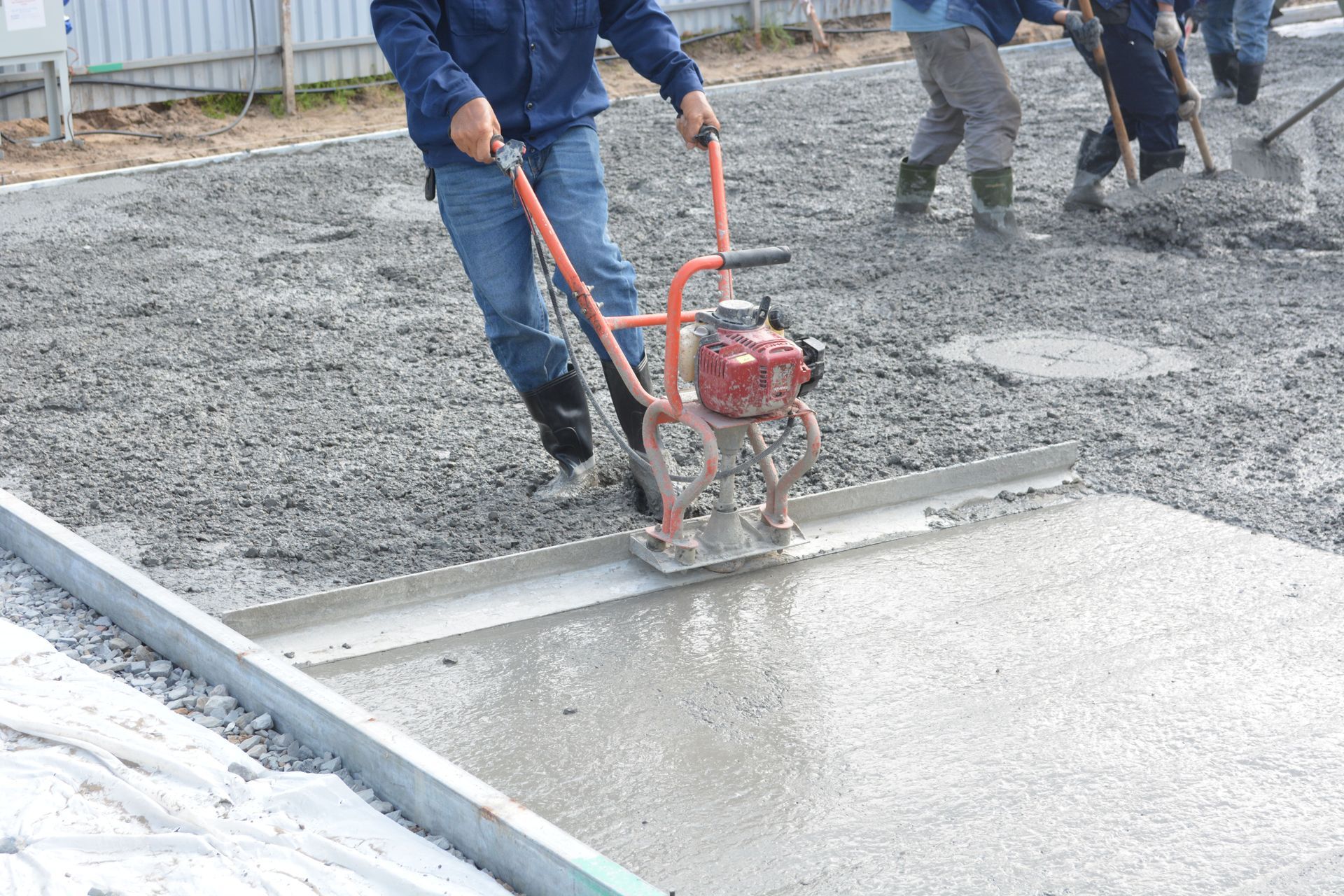
Effective slab correction starts with elevation mapping—measuring floor heights at multiple points to determine how much the foundation has moved and where support must be restored. Pressed concrete piers work for moderate loads and stable upper soil layers, while steel piers penetrate deeper through problematic clay or fill soils to reach load-bearing strata that won't shift with moisture changes. Hydraulic lifting equipment raises the slab gradually to avoid overstressing the concrete.
After correction, sticking doors operate freely again, cracks stop widening along drywall seams, and floors return to planes level enough that furniture sits without wobbling. The foundation remains stable because pier systems transfer structural loads past the soil layers affected by seasonal moisture fluctuations common in North Texas.
Slab repair doesn't include cosmetic fixes—drywall patching, door rehang, and trim adjustments happen after the foundation stabilizes, since correcting the structure first ensures cosmetic work won't crack again. Drainage evaluation often accompanies slab work to identify whether water management improvements should follow stabilization.
Answers to Frequent Slab Foundation Questions
Slab foundation concerns involve recognizing warning signs early and understanding what the repair process addresses. North Texas soil behavior plays a direct role in how slab foundations move over time.
What warning signs indicate slab foundation problems?
Interior wall cracks that run diagonally from door frames, floors sloping noticeably toward one area of the house, exterior brick cracks in stair-step patterns, and windows or doors that stick in frames all signal differential settlement beneath the slab.
How does soil expansion and contraction affect concrete slabs?
Clay soils in Bonham swell when moisture increases and shrink during dry periods, creating uneven support beneath the foundation—sections above saturated soil may heave upward while areas above dry soil drop, resulting in the cracks and floor slopes homeowners observe indoors.
What determines whether pressed concrete or steel piers are used?
Soil testing and structural load calculations guide the choice—pressed concrete piers suit conditions where competent bearing soil exists within shallow depths, while steel piers penetrate through deeper problem soils to reach stable layers unaffected by moisture.
How long does slab foundation repair take from start to finish?
Installation duration depends on pier count and access conditions, but most residential slab repairs complete within several days once equipment mobilizes and soil conditions allow proper pier placement and load transfer.
What should I look for when evaluating repair quality?
Verify that piers reach engineered depths based on soil reports, that hydraulic lift equipment raises the slab gradually without overstressing concrete, and that final elevations are documented to confirm correction meets the planned tolerance.
A+ Prolift Foundation Repair documents pre-repair elevations and post-repair measurements to show exactly how much correction occurred at each pier location. Arrange a slab inspection to understand your foundation's current condition and what stabilization approach matches your soil profile.