Crawl Spaces That Support Level Floors
Pier & Beam Foundation Repair in Bonham for homes with sagging floors, excessive bounce underfoot, or visible gaps at interior walls
Pier and beam foundations fail differently than slabs—the elevated design exposes floor framing to moisture accumulation in crawl spaces, wood deterioration over time, and pier settlement where soil beneath individual supports has consolidated. You notice the problem when walking across a room produces noticeable flex, furniture rocks on floors that are no longer flat, or interior walls separate from flooring as the structure sags. A+ Prolift Foundation Repair levels pier and beam structures in Bonham through shimming adjustments, pier stabilization, and support system corrections that restore the floor plane and eliminate movement.
House leveling for crawl space foundations involves adjusting individual pier heights using steel shims, stabilizing settled piers with deeper support systems, and ensuring that floor joists bear properly on sill beams. Moisture issues beneath the home require separate attention because standing water or excessive humidity accelerates wood decay and undermines long-term structural stability.
Schedule a crawl space inspection before structural problems progress from isolated sagging to widespread floor failure.
What Changes After Crawl Space Repairs Complete
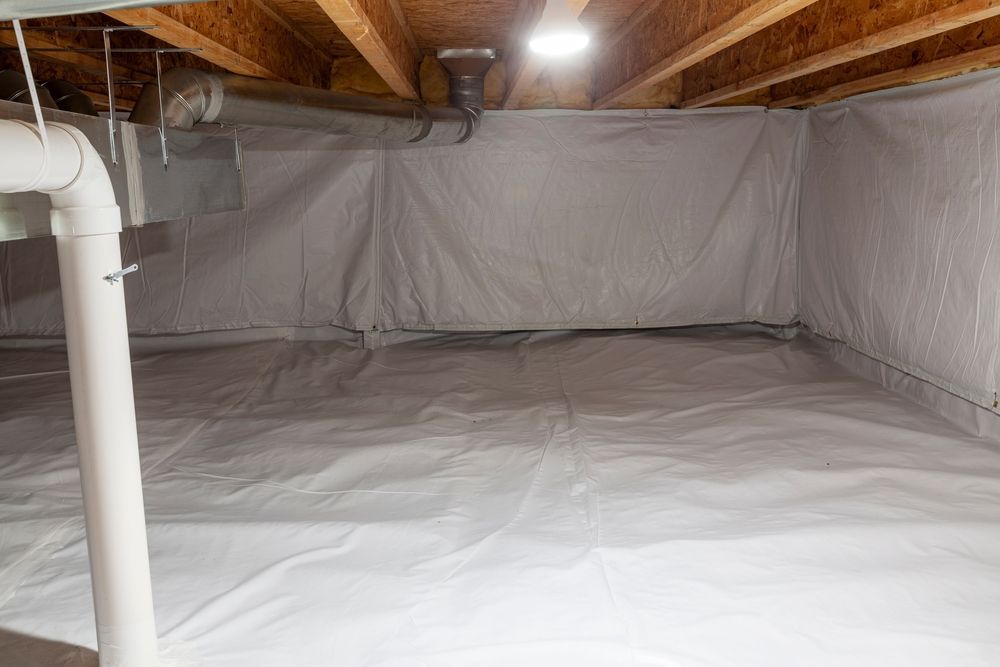
Correcting pier and beam foundations starts with accessing the crawl space to evaluate every support pier, floor joist, and sill beam for settling, rot, or inadequate bearing. Adjustments involve placing precision shims atop piers to restore proper height, installing additional piers where spans exceed original design capacity, and replacing compromised wood members that have lost structural integrity. Moisture control measures—vapor barriers, drainage redirects, or ventilation improvements—often accompany structural work to prevent recurrence.
Once leveling completes, floors feel solid underfoot without the springy bounce that signaled inadequate support, furniture sits flush against walls without gaps appearing beneath legs, and doors operate without binding against frames. Properly shimmed and stabilized pier systems distribute loads evenly across the foundation, eliminating the differential support that caused certain floor areas to sag lower than others.
Crawl space repair does not automatically include wood replacement—that becomes necessary only where moisture has degraded floor joists or sill plates beyond their load capacity. The inspection identifies which components need replacement versus adjustment, so the scope matches the actual damage rather than assuming all framing requires renewal.
Common Questions About This Service
Pier and beam foundation concerns differ from slab issues, involving access to the understructure and evaluation of wood framing components. Crawl space conditions in Bonham directly affect how these foundations age and what repairs become necessary.
How do crawl space foundations differ from concrete slabs?
Pier and beam designs elevate the floor structure above grade on individual support piers, creating an accessible crawl space beneath the home, whereas slabs pour directly on grade with no underfloor access—this difference affects how each foundation type fails and what repair methods apply.
What causes floors to sag in pier and beam homes?
Individual piers settle when the soil beneath them consolidates, floor joists span too far without intermediate support, or wood members deteriorate from moisture exposure—each issue produces the sagging or bouncing floors that homeowners experience when walking through affected rooms.
Why does moisture matter in crawl space foundations?
Standing water or high humidity beneath the home accelerates wood rot, attracts insects that damage structural framing, and softens the soil supporting foundation piers—controlling moisture preserves the wood components and prevents future settling at pier locations.
What happens during a crawl space inspection in Bonham?
The inspection involves physically entering the crawl space to examine every pier for plumbness and soil contact, checking floor joists for rot or sagging, measuring floor elevations from beneath to map settlement patterns, and identifying moisture sources that threaten long-term stability.
How long do pier adjustments and shimming last once completed?
Properly installed shims and stabilized piers provide permanent correction as long as moisture remains controlled and no new soil settlement occurs—the floor framing stops sagging because support has been restored to engineered heights and load distribution improves across the entire pier system.
A+ Prolift Foundation Repair provides detailed crawl space assessments that document current pier conditions, floor elevations, and wood integrity before recommending specific leveling or stabilization work. Request a crawl space evaluation to determine whether your foundation needs shimming, additional piers, or structural wood renewal.