Slopes That Hold Soil Year After Year
Retaining Wall Installation & Repair in Bonham for properties with eroding slopes, shifting soil, and landscape elevation changes
Slopes lose soil with every heavy rain when nothing holds the grade in place, creating erosion gullies that expand and destabilize the ground beneath structures or walkways. Retaining walls installed by A+ Prolift Foundation Repair provide structural support that locks soil into position even during severe weather events common to Bonham and surrounding areas. Properties with elevation changes between the house and yard, terraced landscaping, or sloped driveways benefit from retaining structures that prevent the gradual soil movement that undermines foundations and creates drainage problems.
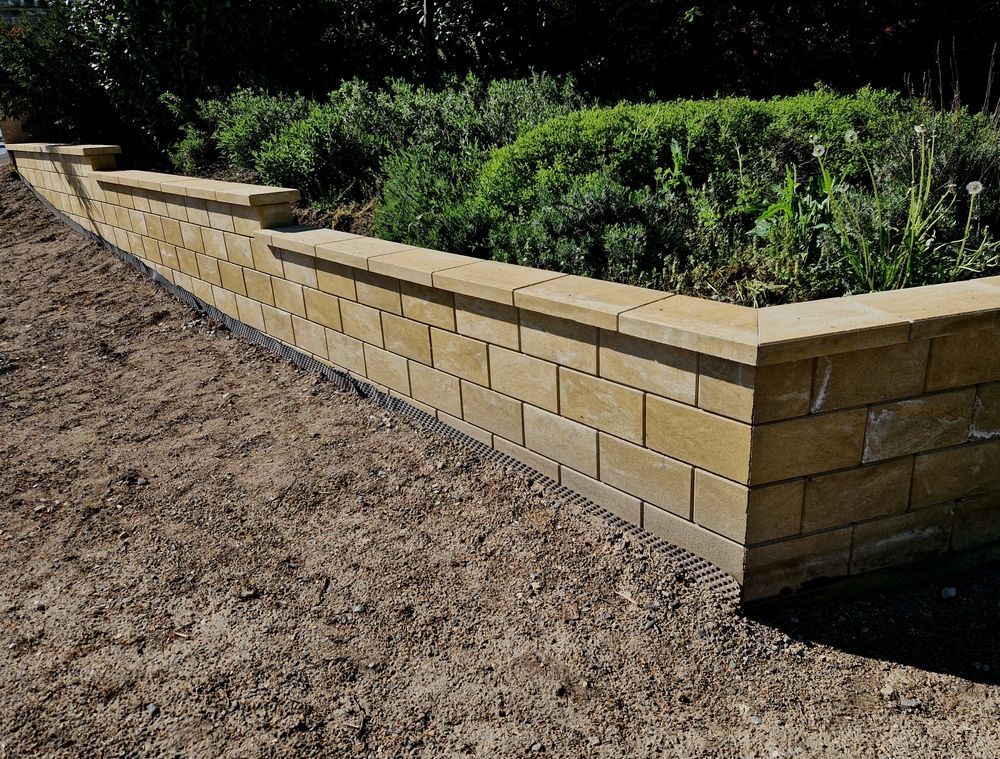
Retaining wall construction begins with excavation and base preparation that accounts for soil type and the height of the grade change being supported. Proper backfill with drainage aggregate prevents hydrostatic pressure from building behind the wall, which would otherwise push the structure forward over time. Walls designed for residential properties typically use modular block, poured concrete, or treated timber depending on height requirements and aesthetic goals, with each method engineered to resist lateral soil pressure without shifting.
Arrange a site evaluation to review slope conditions and determine which wall design will stabilize your landscape effectively.
How Retaining Walls Support Long-Term Stability
Installation involves creating a level base course that anchors the entire structure, stacking courses with proper setback to lean into the retained soil, and adding drainage features that keep water from accumulating behind the wall. Repair services address walls that lean forward, show cracks, or allow soil to wash through gaps, typically caused by inadequate drainage provisions or base settlement over time.
After a retaining wall is installed, slopes stop eroding during storms, mulch and plantings stay in place rather than washing downhill, and the grade line remains consistent year after year. Driveways and walkways near the wall no longer develop settling cracks caused by soil movement underneath, and foundation protection improves because stable grading directs water away from structures predictably. The landscape maintains its intended shape without requiring constant soil replacement or replanting after heavy rains.
Retaining walls often integrate with French drains and perimeter drainage systems to manage both soil stability and groundwater flow simultaneously. Grading improvements above and below the wall ensure water drains toward collection points rather than overtopping the structure or pooling against the foundation. Durable construction methods resist freeze-thaw cycles and soil expansion pressures that affect North Texas properties, ensuring the wall performs as intended for decades without requiring frequent repairs.
Answers to Frequent Retaining Wall Questions
Retaining wall projects involve decisions about materials, height limits, and how structures interact with existing drainage patterns.
What causes an existing retaining wall to lean or crack?
Walls fail when water accumulates behind them without drainage relief, when the base settles unevenly, or when the soil being retained expands beyond the wall's design capacity, all of which create lateral pressure the structure cannot resist.
How high can a retaining wall be built on a residential property?
Height limits depend on engineering requirements and local codes, with walls above certain thresholds requiring professional design and permits, though most residential applications involve walls under four feet that provide adequate slope support without complex engineering.
What's the difference between retaining wall repair and replacement?
Repair addresses localized problems such as resetting shifted blocks or improving drainage, while replacement becomes necessary when structural failure affects the entire wall or when the original construction lacked adequate base preparation.
How do retaining walls affect foundation protection in Bonham?
Walls prevent soil erosion that would otherwise change yard grading and redirect water toward foundations, and they stabilize slopes that could shift and create uneven loads against basement walls or slab edges.
What maintenance does a retaining wall require after installation?
Regular checks involve verifying weep holes remain clear, ensuring backfill drainage hasn't clogged, and watching for signs of forward lean or cracking that indicate developing pressure problems.
A+ Prolift Foundation Repair assesses slope conditions, soil type, and drainage patterns to design retaining walls that provide long-term landscape stability while complementing
foundation protection strategies. Contact the team for a retaining wall recommendation based on your property's specific grade changes and erosion concerns.