Foundations Built to Withstand Soil Movement
Foundation Repair in Bonham for homes showing wall cracks, uneven floors, or door misalignment
Foundation movement shows up in visible ways—interior drywall cracks that widen over time, doors that suddenly refuse to latch, floors that slope toward one corner of a room. A+ Prolift Foundation Repair addresses structural movement in Bonham through inspection-driven repair strategies that account for shifting soils, moisture fluctuations, and drainage patterns specific to North Texas conditions. Customized stabilization plans replace one-size-fits-all approaches because no two properties experience foundation stress in identical ways.
The inspection process identifies what caused the movement in the first place—expansive clay soils that swell and contract seasonally, tree roots pulling moisture from beneath the foundation perimeter, or inadequate drainage directing water toward the structure. Repair options include pressed concrete piers for deep soil stabilization, steel pier systems for load transfer to stable strata, structural wood repair when floor framing has deteriorated, and drainage improvements that address the root cause rather than just the symptom.
Schedule an inspection to determine which repair strategy matches your property's soil conditions and structural damage pattern.
How Foundation Repairs Protect Structural Integrity
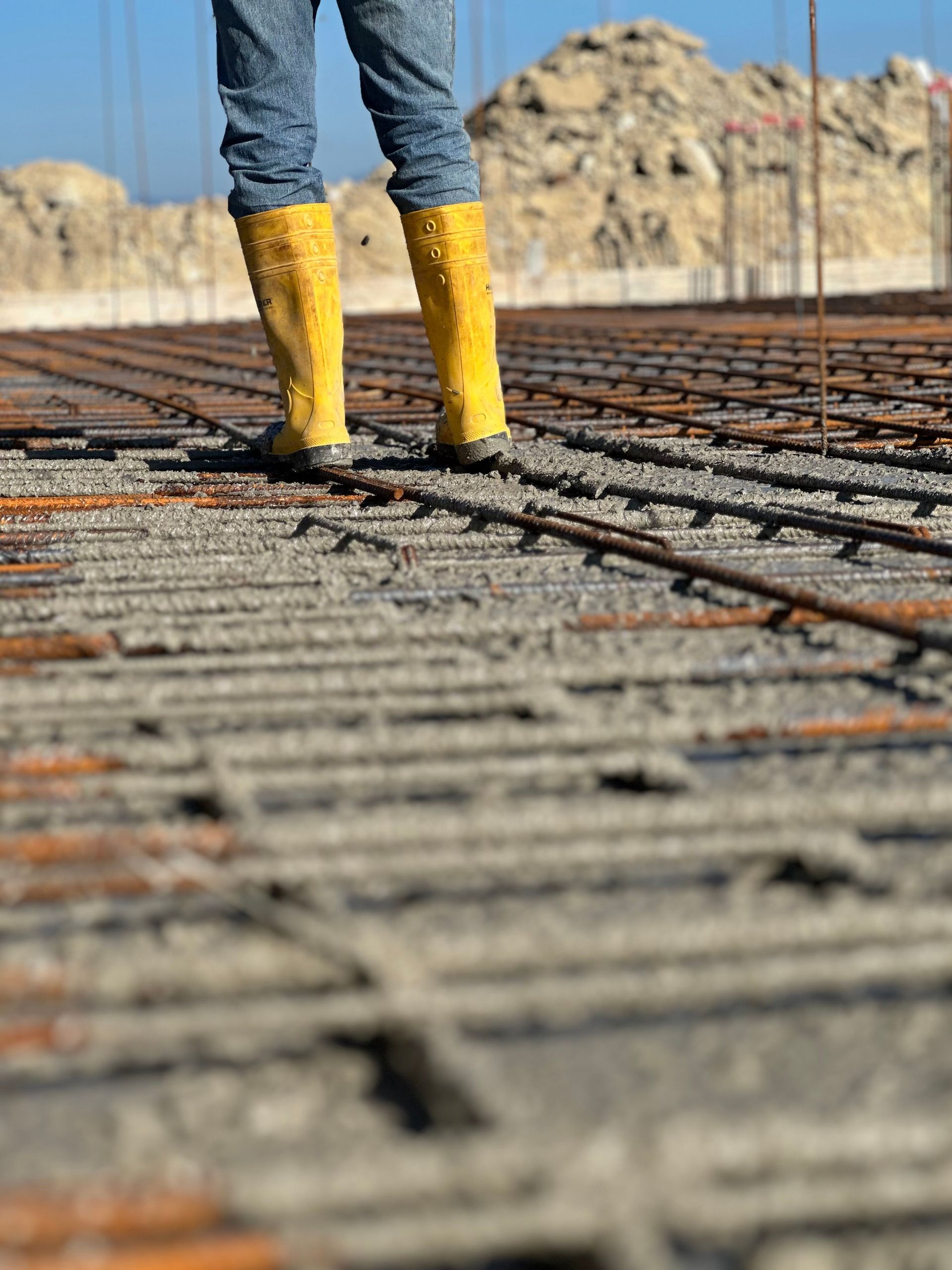
Stabilization begins with understanding the failure mechanism—whether the foundation settled because compacted fill soil consolidated over time, clay soils contracted during drought periods, or water infiltration softened the bearing layers beneath the slab. Repair methods vary accordingly, with pier systems installed to depths where soil moisture remains consistent year-round and structural framing replaced where wood members have lost load-bearing capacity.
Once stabilization completes, you notice doors closing without force, cracks no longer widening along ceiling lines, and floors returning to level planes that no longer send furniture sliding toward corners. A+ Prolift Foundation Repair coordinates repairs to address both the visible damage and the underlying soil or drainage issue driving the movement, so corrections hold rather than requiring repeated adjustments.
The scope depends on how far the movement has progressed—early intervention typically requires fewer piers and less structural correction than waiting until multiple rooms show distress. Drainage improvements often accompany pier installation because controlling water prevents the soil from repeating the expansion-contraction cycle that caused the original failure.
What Homeowners Ask About Foundation Work
Foundation concerns raise specific questions about process, timing, and what changes after repairs finish. Conditions in Bonham affect how repairs are approached and what soil behavior to expect long-term.
What causes foundation movement in the first place?
Expansive clay soils common in North Texas swell when saturated and shrink during dry periods, creating uneven support beneath the foundation perimeter. Tree roots, inadequate drainage, and plumbing leaks compound the problem by creating moisture gradients that cause differential settlement.
How do you determine which repair method to use?
The inspection evaluates crack patterns, floor elevations, soil conditions, and moisture sources to identify whether the foundation needs deep stabilization with steel piers, shallower support from pressed concrete piers, or structural wood replacement where floor framing has failed.
What happens during the actual repair process?
Piers are installed at calculated intervals around the foundation perimeter or beneath interior beams, then hydraulically driven or pressed to load-bearing strata, after which the foundation is lifted incrementally back toward level and secured to the pier system.
When should drainage improvements happen relative to foundation repairs?
Drainage corrections typically occur alongside or immediately after stabilization work in Bonham, since controlling water prevents the soil conditions that caused the original movement from recurring and compromising the repair.
How long do foundation repairs last once completed?
Properly installed pier systems reach stable soil layers unaffected by seasonal moisture changes, providing permanent support as long as drainage remains functional and no new water sources develop beneath the structure.
A+ Prolift Foundation Repair provides inspection reports that identify both the structural damage and the contributing factors driving foundation movement. Request an evaluation before additional settling increases the repair scope and overall correction cost.