Protecting Foundations From Mature Tree Growth
Root Barrier Installation in Bonham for properties with large trees near structures and uneven soil moisture patterns
Tree roots extend far beyond the visible canopy and extract moisture from foundation soils during dry periods, creating the kind of uneven shrinkage that causes slab cracks and structural movement in North Texas clay. Root barriers redirect growth away from vulnerable areas by creating a vertical panel that forces roots to grow deeper or laterally rather than spreading beneath foundations where they pull moisture and destabilize soil. A+ Prolift Foundation Repair installs root barriers as a preventative measure for homes surrounded by mature oaks, elms, or other species with aggressive root systems that compete with structures for stable ground.
The installation process involves trenching along the line where protection is needed and inserting a durable panel material that extends deep enough to intercept root growth before it reaches foundation soils. Barriers work best when positioned between the tree and the structure at a distance that blocks encroachment without damaging the tree's stability. Properties with trees planted within fifteen feet of the home often benefit from barriers that supplement drainage systems and foundation watering strategies designed to maintain consistent soil moisture.
Request a foundation inspection that includes evaluation of nearby trees to determine whether root barriers should be part of your long-term protection plan.
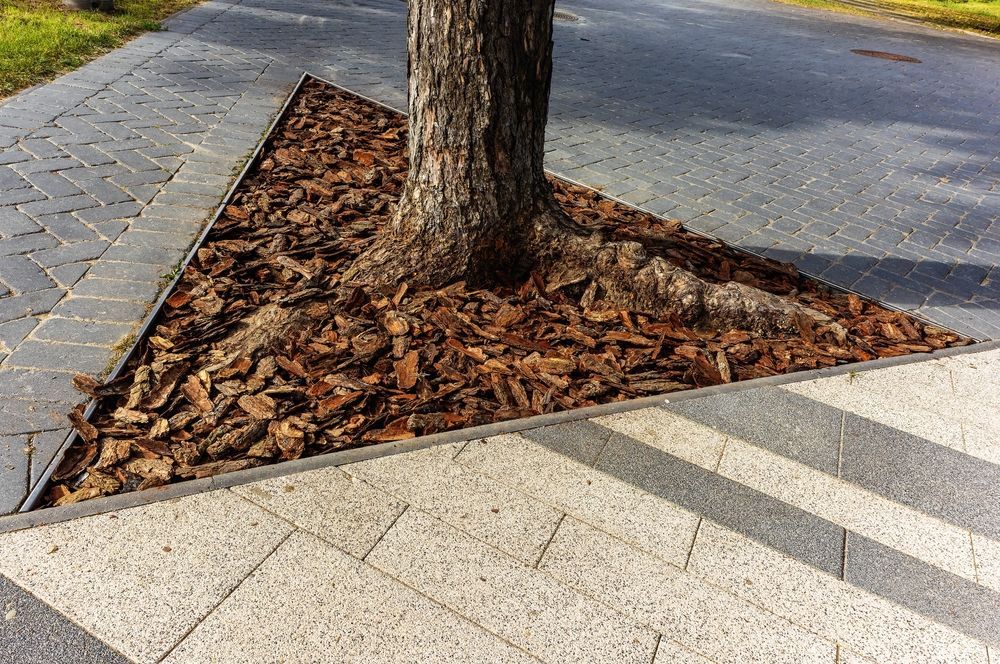
What Root Barriers Accomplish Over Time
Professional root barrier systems use rigid or semi-rigid panels that resist decomposition and remain effective for decades once installed. The trench depth typically reaches at least two feet to intercept the majority of lateral root spread, with some installations going deeper depending on tree species and soil conditions. Barriers installed alongside foundation repairs or drainage improvements create layered protection that addresses multiple causes of soil movement simultaneously.
Once barriers are in place, foundation soils retain more consistent moisture because tree roots stop extracting water from the protected zone during summer droughts. The seasonal soil shrinkage that creates foundation movement lessens as moisture levels stabilize, reducing the expansion-contraction cycles that cause cracks in slabs and piers. Homeowners notice fewer new cracks in interior walls and less variation in door and window operation between wet and dry seasons, indicating the foundation is experiencing less movement overall.
Root barriers don't harm trees when installed correctly because they redirect growth rather than severing the entire root system, and trees adapt by expanding their root networks in directions where barriers aren't present. Combining barriers with proper foundation watering during droughts ensures soil moisture stays adequate even when trees are actively pulling water nearby. This strategy reduces repair costs over time by preventing the kind of movement that would otherwise require pier installation or slab leveling as root activity continues for decades.
Common Questions About Root Barrier Systems
Root barrier decisions involve understanding how tree biology interacts with foundation protection goals and whether barriers fit specific property situations.
How close to a tree can a root barrier be installed safely?
Barriers typically position at least a few feet from the trunk to avoid cutting structural roots that anchor the tree, with exact placement depending on tree size and species, ensuring redirection occurs without destabilizing the tree itself.
What types of trees require root barriers most urgently in Bonham?
Species with aggressive shallow root systems such as willows, poplars, and certain oaks create the most foundation risk, especially when planted close to structures on expansive clay soils that amplify moisture fluctuations.
Do root barriers eliminate the need for foundation watering?
Barriers reduce root competition for moisture but don't replace watering during severe droughts, since clay soils still shrink when dry regardless of root activity, meaning both strategies work together for optimal protection.
How long do root barriers last once installed?
Quality barrier materials resist decay and root penetration for thirty years or more, providing long-term protection without requiring replacement as long as the installation depth and panel integrity remain intact.
When should root barriers be installed relative to other foundation work?
Barriers often install during or shortly after foundation repairs to prevent future movement, and they integrate naturally with drainage projects that already involve trenching near the home's perimeter.
A+ Prolift Foundation Repair evaluates tree locations during comprehensive foundation inspections and recommends root barriers when nearby growth patterns create measurable risk of soil moisture depletion. Schedule a site visit to determine whether root barriers will reduce long-term foundation movement on your property.